

Exam Board: OCR Duration: 2 years Entry Requirements: Grade 6 at GCSE in one of the Humanities subjects, Grade 6 in GCSE English Language or Grade 6 in GCSE English Literature.
Reasons to study Sociology A Level
In Sociology, students critically analyse theories and research on the structure of society and the impact this has on human behaviour. You will develop skills that are applicable to a variety of university courses, such as critical and analytical thinking, written fluency, social awareness, information gathering and interpretation.
Explore what Feminists, Marxists and other Sociological perspectives think about identity, culture, media influence, inequality, crime and globalisation. If you enjoy discussions, formulating arguments and are good at written skill then this could be the course for you.
Course Outline
Paper 1: Socialisation, culture and identity:
This component introduces learners to the key themes of socialisation, culture and identity and develops these themes through the context of youth subcultures. The paper develops skills that enable individuals to focus on their personal identity, roles and responsibilities within society and develop a lifelong interest in social issues.

Paper 2: Researching and understanding social inequalities:
This component explores the methods of sociological enquiry and develops knowledge and understanding of contemporary social processes and social change in the context of social inequality and difference.
This component aims to foster the development of critical and reflective thinking with a respect for social diversity in terms of social class, gender, ethnicity
and age. It develops links between the nature of sociological thought and methods of sociological enquiry. Although not directly assessed, this component encourages learners to carry out their own small scale research projects as a way of enhancing their sociological understanding of methodology, substantive topic areas and core themes.
Paper 3: Debates in contemporary society:
This component engages learners in theoretical debates and how these relate to a contemporary global society. The component will develop knowledge and understanding of social processes and social change. It develops links between the topics studied
in this component, the nature of sociological thought, contemporary social policy and the core themes.
Contemporary and global debates are introduced through a compulsory topic of ‘Globalisation and the digital social world’ in Section A, whilst Section B explores them in more depth from a detailed study of one of Crime and deviance
Assessment Outline
1. Socialisation, culture and identity:
90 Marks 1 hour 30 minutes written paper
(30% of total A Level)
2. Researching and understanding social inequalities:
105 Marks 2 hours 15 minutes written paper
(35% of total A Level)
3. Debates in contemporary society:
105 Marks 2 hours 15 minutes written paper
(35% of total A Level)


Progression Routes and Career Paths
- Sociologist
- Social Researcher
- Social Worker
- Development Worker
- Policy Analyst
- Human Resources Officer
- Criminologist
- Youth Worker
- Counsellor
- Probation Officer
- Market Research Analyst
- Sociology Lecturer
- Urban Planner
- Diversity Specialist
- Health Educator
- Victim Advocate
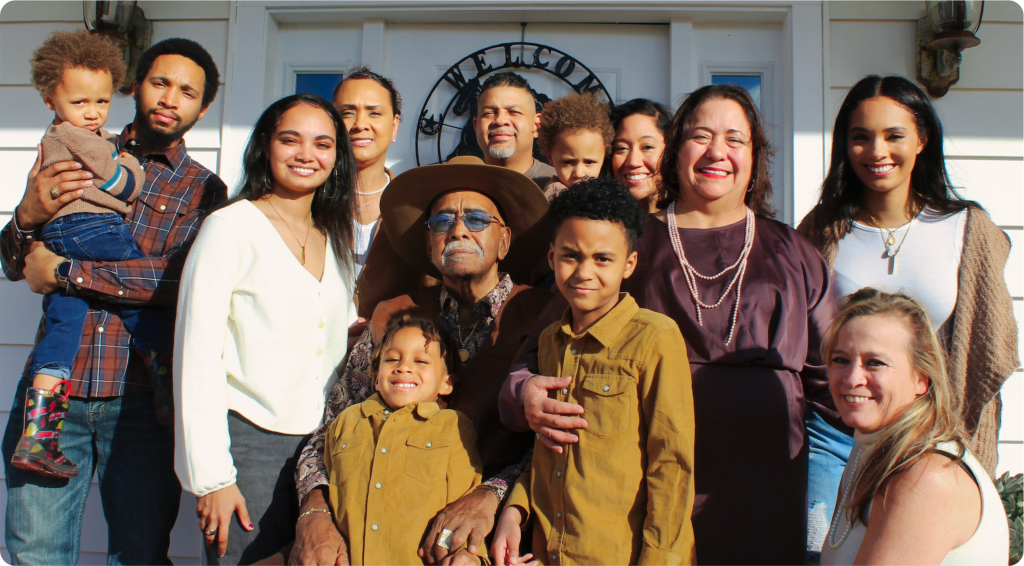
The Romero’s Sociology Department
A committed team of expert teachers who share their love of their subject with passion and who have incredible relationships with students.
The Head of Social Sciences oversee’s the teaching in Sociology, Psychology and Criminology.
Further Information
For more information or if you have any questions about the A Level Sociology course please contact:
Mr L Davies – Head of Social Science [email protected]