Vision Statement
Our vision for the History department is to continue our journey of growth to offer the best History curriculum to the students in our care and ultimately be the best History department in the country.
Learning History is vital to understanding our modern world. The news is full of turbulent events around the world which can be better understood by having a strong education in History.
The History department is full of passionate teachers who want to inspire students to look beyond the headlines and find the facts that will help them to unlock their understanding of the world. We encourage healthy debate on past events and how we should remember them, and give students the knowledge that can back up their interpretations of the past. Through rigorous academic standards, innovative educational practices, and diverse learning opportunities, we aim to empower students to become responsible and informed young adults who actively participate in shaping the future.
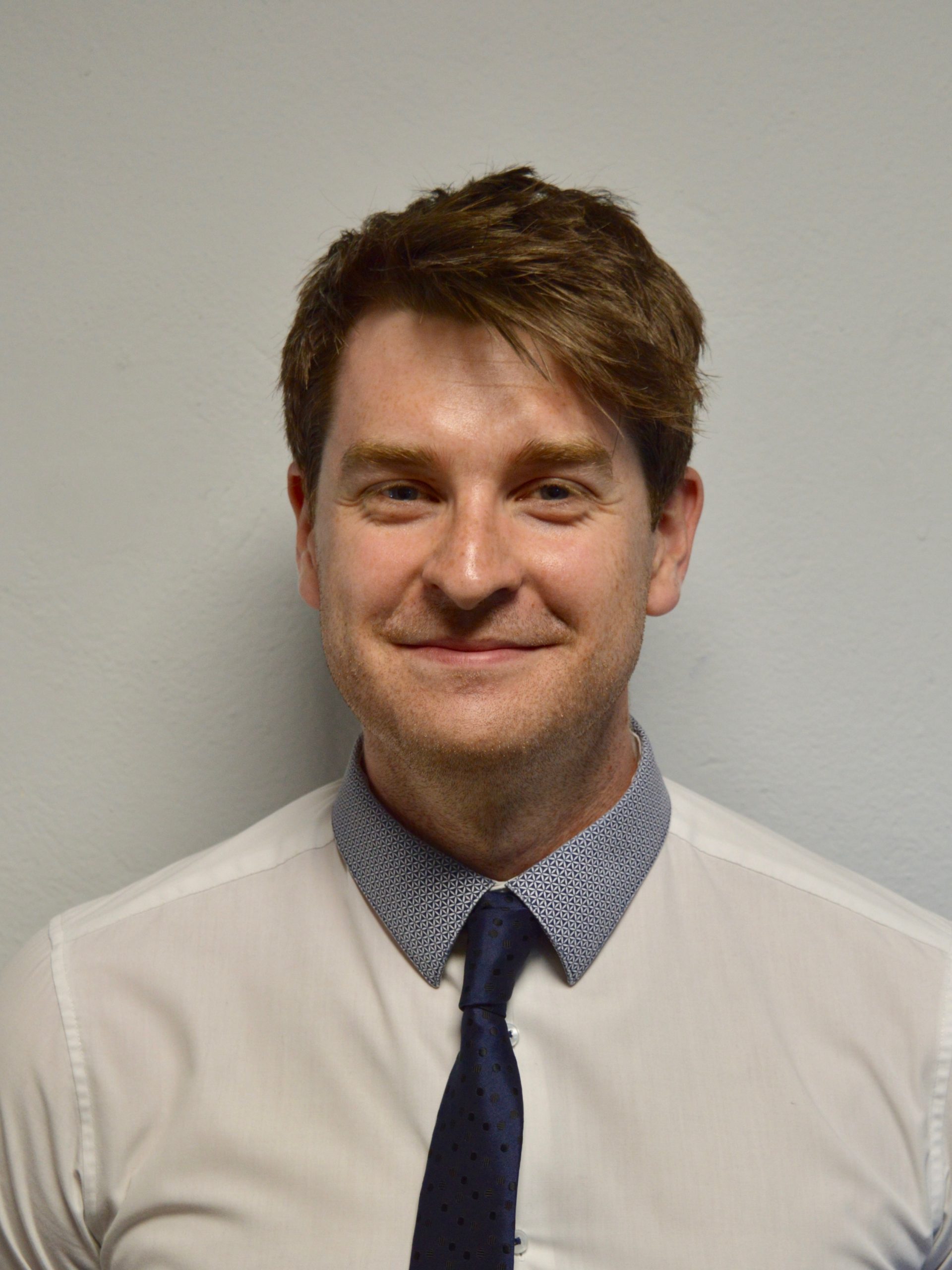
Mr W Bowerman
Subject Leader of History / Acting Head of Faculty for Humanities
The Team
Mr D Alden – Teacher of History
Mrs R Lathey – Teacher of History and head of year 12
Intent
Our History curriculum is a holistic document which changes to reflect the world around us. The curriculum is underpinned by The National Curriculum. By learning History, our pupils will develop their ability to think critically, evaluate evidence, and ask questions – all essential to being an excellent Historian. Pupils learn about different civilizations and cultures throughout time, and across the globe, and develop their knowledge and understanding of significant people and events in British History. Through studying History, pupils will develop their understanding of the diversity of the world, and the impact of key decisions taken by historical figures. An important aspect of this is making sure that the curriculum is reflective of the world around our students so that it is relevant to their lives.
Implementation
Students use an enquiry-based approach to studying history to enable them to become more independent and to critique historical evidence to reach their own conclusions and opinions on historical events.
The key stage 3 curriculum follows a chronological narrative exploring ways in which the lives of people living in Britain and beyond have changed.
In Year 7, students will focus on Britain from the Anglo-Saxons to the English Civil War. Students will look at differences of cultures, power struggles, exploration and changes in warfare; seeing how these themes impact everyday people’s lives. Emphasis is on developing an understanding of different perspectives.
In Year 8, we look at the making of the modern world, including the rise and fall of the British Empire, The Industrial Revolution and 20 th Century Europe.
In Year 9 our students study the Holocaust before moving on to a depth study of America in the 20 th Century, how migration has impacted British culture since the Second World War, before finishing the year by studying the Cold War.
Students study the Edexcel History syllabus.
GCSE students complete a two year course and build on the concepts and skills developed during Key Stage 3. Some GCSE topics are covered in more depth from key stage 3; topics will build on the conceptual understanding from topics taught at Key Stage 3 but taught in a different context. This will allow for deeper learning to take place.
Across the GCSE course students study:
Paper 1: Thematic study and historic environment
Section A: Crime and Punishment in Britain c1000 to present
Students focus on the changing nature of criminal activity, law enforcement and punishments across a one thousand year period of study. Students assess how different ‘factors’ affect the process of change.
Section B: Whitechapel c1870 to 1900
This section focusses on crime and policing in the inner city during the Industrial Revolution. Students will develop source utility skills for historical enquiries.
Paper 2: Period study and British depth study
Section A: Superpower relations and the Cold War 1941 to 1991
This period study looks at the changes in tension between the USA and USSR in the second half of the 20th Century. From the peace at the end of the Second World War to the fall of the Berlin Wall, students will look at a range of flashpoints and conflicts between the two superpowers, building up a chronological narrative of events along the way.
Section B: Early Elizabethan England, 1558 to 1588
Students study the reign of Elizabeth I including the problems she faced when she became Queen, the changes to Britain’s religion throughout the period and the threats faced by Elizabeth both at home and abroad.
Paper 3: Modern depth study
Weimar and Nazi Germany, 1918 to 39
Following the fragile peace at the end of the First World War students will look at the struggles that the Weimar Republic faced and why it became a breeding ground for extremism. Students then look at the rise of Hitler and the Nazi Party, how Hitler managed to become a dictator and what life was like for ordinary people living in
Nazi Germany.
Impact
As a result of the quality of the curriculum and teaching and learning in History, we are proud to celebrate that students at Romero’s receive an education in our subject that is truly first class. Our results over time are illustrated in the table below.
| % 4 (standard pass) | % 5 (strong pass) | Progress 8 | Attainment 8 | |
|---|---|---|---|---|
| 2019 | 68% | 47% | -0.11 | 4.4 |
| 2020 | 82% | 66% | N/A | 5.4 |
| 2021 | 76% | 61% | N/A | 5.1 |
| 2022 | 76% | 67% | +0.63 | 5.2 |
| 2023 | 94% | 75% | +0.55 | 5.7 |
Furthermore our subject is always extremely popular with our students when selecting their GCSE subjects with over 100 students each year opting for History. We regularly empower the student voice and at the last survey in 2022 over 85% of students reported enjoying their History lessons and that they find the work interesting.
In addition to the quantitative data, we are proud that our students leave us with a ‘historical conscience’, a sensitivity to the many mistakes of the past and how they can use their awareness of History to shape the future. We maintain that studying history helps children to understand their place in the world and challenges them to make sense of the similarities and differences in human experiences across time and place, which links closely with our status as a Catholic faith school.
Inspiration
We strive to inspire students to develop a lifelong love of learning about the past. Through a curriculum that emphasises critical thinking, analytical skills, and a global perspective, we aim to empower students to make connections between the past, present, and future. We believe that by exploring the complexities and nuances of history, students can develop empathy, respect for diverse perspectives, and the ability to become active and engaged citizens of the world. Our department is committed to providing a safe and inclusive learning environment that fosters curiosity, creativity, and a sense of wonder about the rich tapestry of human experience. Trips and visits that the department have offered in the past have been:
- Stonehenge
- Auschwitz
- WW2 Battlefields
- Imperial War Museum
Curriculum Roadmaps